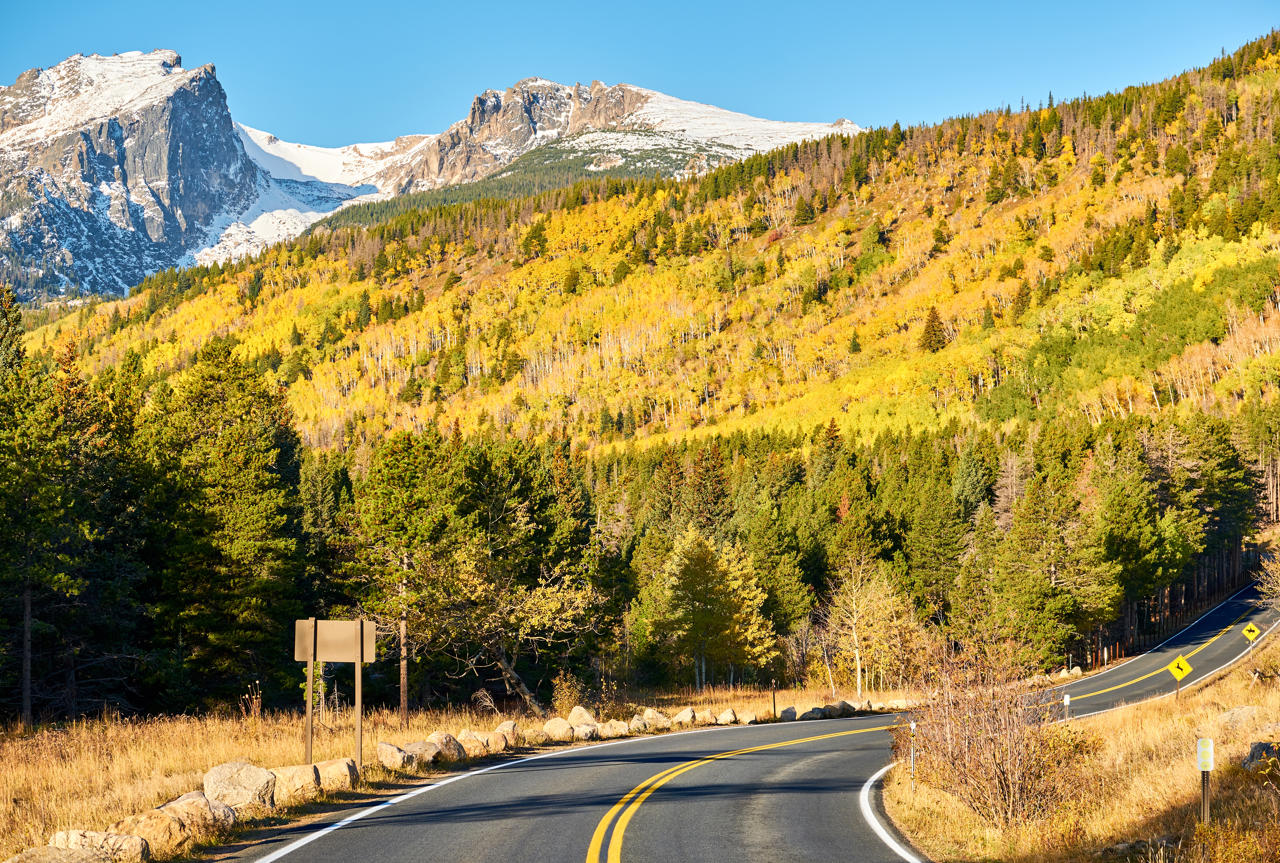
Aspen sits high in the Rockies, and getting from this city to Denver takes more planning than the mileage alone suggests. The seasonal Independence Pass route is about 160 miles, while the year-round route through Glenwood Springs and I-70 is roughly 200 miles.
Some options save money, some save hours, and a few cost you both. Here is an honest look at each.
You have five choices: fly, take the public bus (Bustang plus a local connection on the Roaring Fork Transportation Authority, or RFTA), rent a car, book a shared shuttle, or arrange a private transfer. The right choice depends on your budget, your patience, and how much luggage you are hauling.
Nonstop flights connect Aspen-Pitkin County Airport (ASE), three miles from downtown, with Denver International (DEN), though schedules vary by season and date. Scheduled flight time is around an hour, often shorter in the air.
That speed comes with a catch. ASE sits in a narrow mountain valley, so weather, visibility, and operating limits can delay or cancel departures. The flight is short, but the door-to-door total climbs once you add the hotel-to-airport leg, check-in, security, baggage claim, and the final trip from DEN.
On price, compare the full fare for your departure, including baggage charges, rather than trusting an advertised starting number. Flying wins when skies cooperate, so leave a wide gap between your arrival at DEN and any onward flight.
Colorado’s Bustang is generally the lowest-cost way east, but no single bus runs straight from Aspen:
Scheduled riding time totals roughly five hours, though the actual trip hinges on which RFTA service reaches the stop and the Glenwood wait.
One piece of advice worth more than any fare comparison: leave a wide connection margin in Glenwood. The West Line does not run at urban-transit frequency, so missing it costs hours, not minutes.
Price the trip as two services, since RFTA fares vary by zone (some are free) and Bustang charges its own West Line fare.
A rental hands you independence: leave when you please, stop where you like. The ride from Aspen to Denver rewards that freedom, with a few seasonal catches worth knowing:
Winter is the real fine print. You are the one watching closures and conditions, and a one-way fee, airport taxes, or refueling charges can all raise the total.
Some operators run shared Aspen-to-Denver service, though schedules and seasons stay limited next to busier resort corridors. You ride with other passengers and split the cost, making a shared shuttle an affordable middle ground between a public bus and a private car.
The trade-off is control. Shuttles follow set departures and may add pickups along the way. Before booking, confirm:
For one passenger or a pair with light luggage and time to spare, the savings often beat the stops.
With a private transfer, a chauffeur takes on the route while you rest, work, or take in the peaks. You provide the pickup address, destination, passenger count, luggage, and time, and the trip is planned around your own flight, not a fixed timetable.
Before choosing this option, weigh the details that matter more than the headline price, especially in winter: the full quote, luggage capacity, child-seat policy, cancellation terms, and what happens if the highway closes.
From April 4 to November 19, 2027, no flights operate from ASE, so every trip to Denver runs on the ground. First, decide which stop you need, because Denver Union Station and the airport are two separate destinations.
Treat that connection as extra time. The walk to the platform, the wait for the next train, and the trip from the airport station to your check-in counter can easily add an hour or more to the bus arrival. I-70 delays can push the bus past its stated arrival time, so a same-day flight from DEN needs a wide margin. If you prefer one vehicle for the whole trip, a private transfer from Aspen to Denver can go straight to the airport, which removes the train connection.
Seats on every option fill faster on ski weekends and holidays.
Planning in advance matters here, because winter can close passes, ground flights, and stretch a four-hour drive past its estimate. Booking earlier may improve availability during ski weekends and holidays, and airfares may increase as lower fare classes sell out. Check the forecast, then choose.
No single option wins every trip. Weigh the total cost against the time you can spare, then confirm timetables, road conditions, and full quotes for your dates.