Aspen is famous for winter, yet summer may be the better-value season.
The town is known worldwide for powder and fur coats, but the warm months tell a different story. Wildflowers replace lift lines, lodging often runs below ski-season rates, and the same peaks that draw skiers turn green and walkable. That shift is why the best things to do in Aspen during summer look nothing like the winter postcard.
Two wine-colored peaks mirrored in a glassy lake, among the most photographed scenes in Colorado.
The catch most visitors learn too late: for much of the day, you cannot drive up yourself. In 2026, from May 22 through October 18, private vehicles are barred between 8 a.m. and 5 p.m., so the RFTA shuttle from the Aspen Highlands Welcome Center becomes the way in ($16 adult, $10 senior or child).
Both shuttle and trailhead spots need a reservation at visitmaroonbells.com. Dates and fares shift yearly, so confirm the current details before any trip.
One detail worth planning around: between 6 and 8 a.m., private vehicles may drive up to drop off passengers with no reservation, which is how photographers catch the lake at first light.
Not everyone wants to earn the altitude. The Silver Queen Gondola lifts you from the middle of the city to about 11,200 feet in roughly 14 minutes, no boots required. At the top, the Sundeck restaurant serves food and drinks under a panorama of the Elk Mountains. Service runs daily from around Memorial Day weekend through late summer, with exact dates varying by year.
Good to know: a single sightseeing ticket recently ran $40 for adults (13+) and $30 for kids 7 to 12, covering one trip up and down; children six and under go free. Bring a layer, since the summit sits noticeably cooler than downtown even in July.
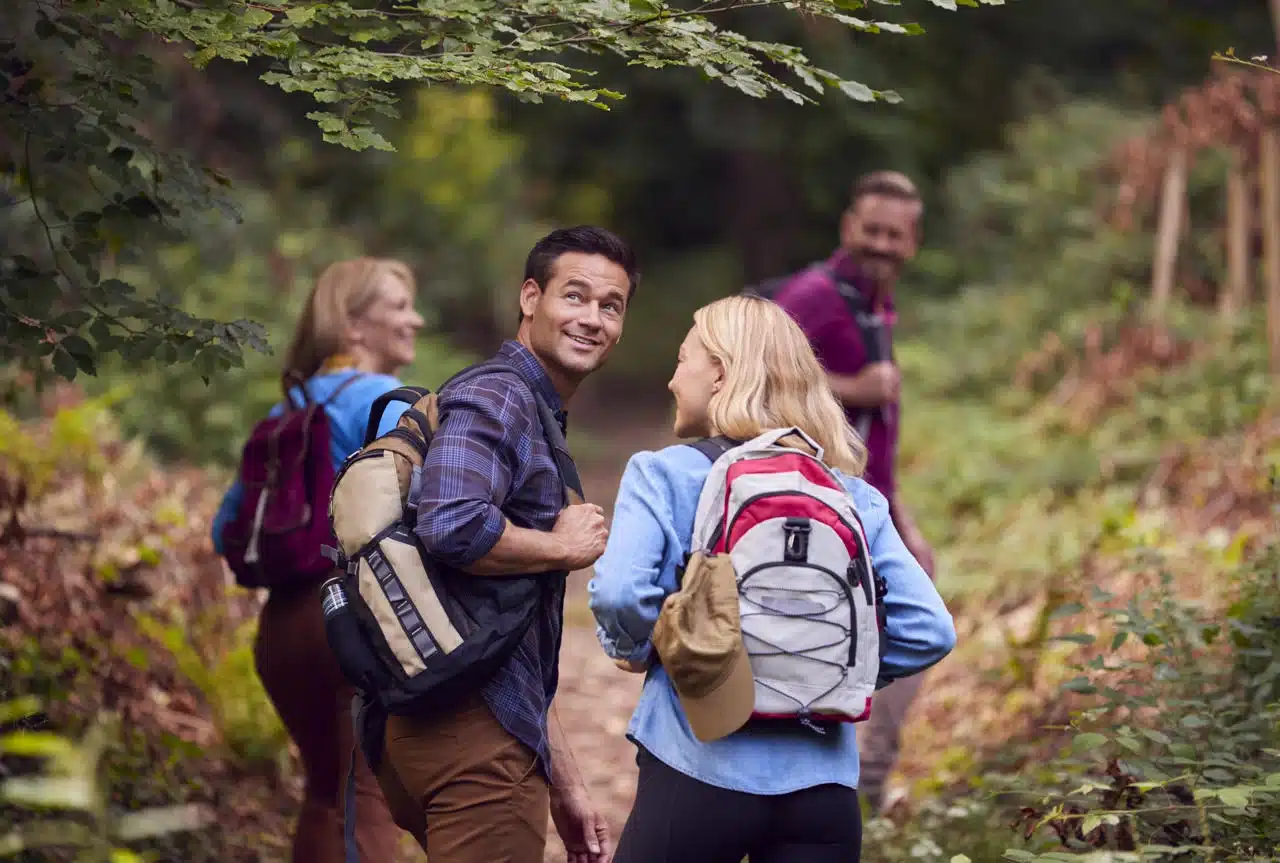
At 8,000 feet, the wilderness starts almost at your doorstep.
For a multi-day visit, start with short walks and leave one longer, higher hike for later, once you have adjusted.
Aspen’s summer calendar is genuinely full, and the arts run alongside the outdoors.
Not every hour needs a summit. Some of Aspen’s best moments cost nothing and sit right in town.
Here is the practical wrinkle. Aspen’s downtown is walkable, but its best summer draws spread out: Maroon Bells sits past Aspen Highlands, the rodeo is in Snowmass, and trailheads scatter in many directions.
A little planning in advance pays off, because it sometimes takes real time to move between outlying spots, especially during a festival week when the valley fills up. The stretch from the small mountain terminal into the center is short, yet a large party with luggage and gear moves slower than two people with a backpack. Map your day around the fixed points first: the Maroon Bells slot, a concert start, the rodeo bell. The loose hours then fall into place around them.
Two habits save an Aspen summer day. First, afternoon thunderstorms are common between roughly 1 and 4 p.m. from mid-July into mid-August, so start early and treat mornings as prime hours. Second, the sun at altitude is strong, so high-SPF sunscreen and a hat go a long way.
Summer reframes Aspen entirely. The peaks that cost a fortune to ski become free to wander on foot, the crowds thin, and the calendar fills with music and markets. Book the Maroon Bells reservation, chase the mornings before the clouds gather, and the season tends to win people over on its own.