Breckenridge, Keystone, and Copper Mountain cluster close together on I-70, so skiers cross-shop them constantly ahead of a trip. The real difference isn’t quality. It comes down to which kind of day each mountain sets up for you.
Breckenridge grew out of a 19th-century mining camp, and its Main Street still holds blocks of Victorian storefronts, bars, and restaurants. The town does not empty once the lifts close. Getting to Breckenridge from I-70 means a short drive south on CO-9. Keystone came together through the 1970s, organized around three connected peaks and a family-oriented base village. It has an ice rink, plus night skiing on select nights through the season. Reaching Keystone from I-70 requires a quick east turn onto US-6. Copper developed to serve skiers first, rather than growing up around an existing town. Its three villages back the mountain, with a smaller evening scene than the other two towns. The drive to Copper leaves I-70 directly, with no extra turns to reach it. That layout draws a strong share of dedicated skiers and riders, as well as families who use Copper’s ski school and Woodward programs.
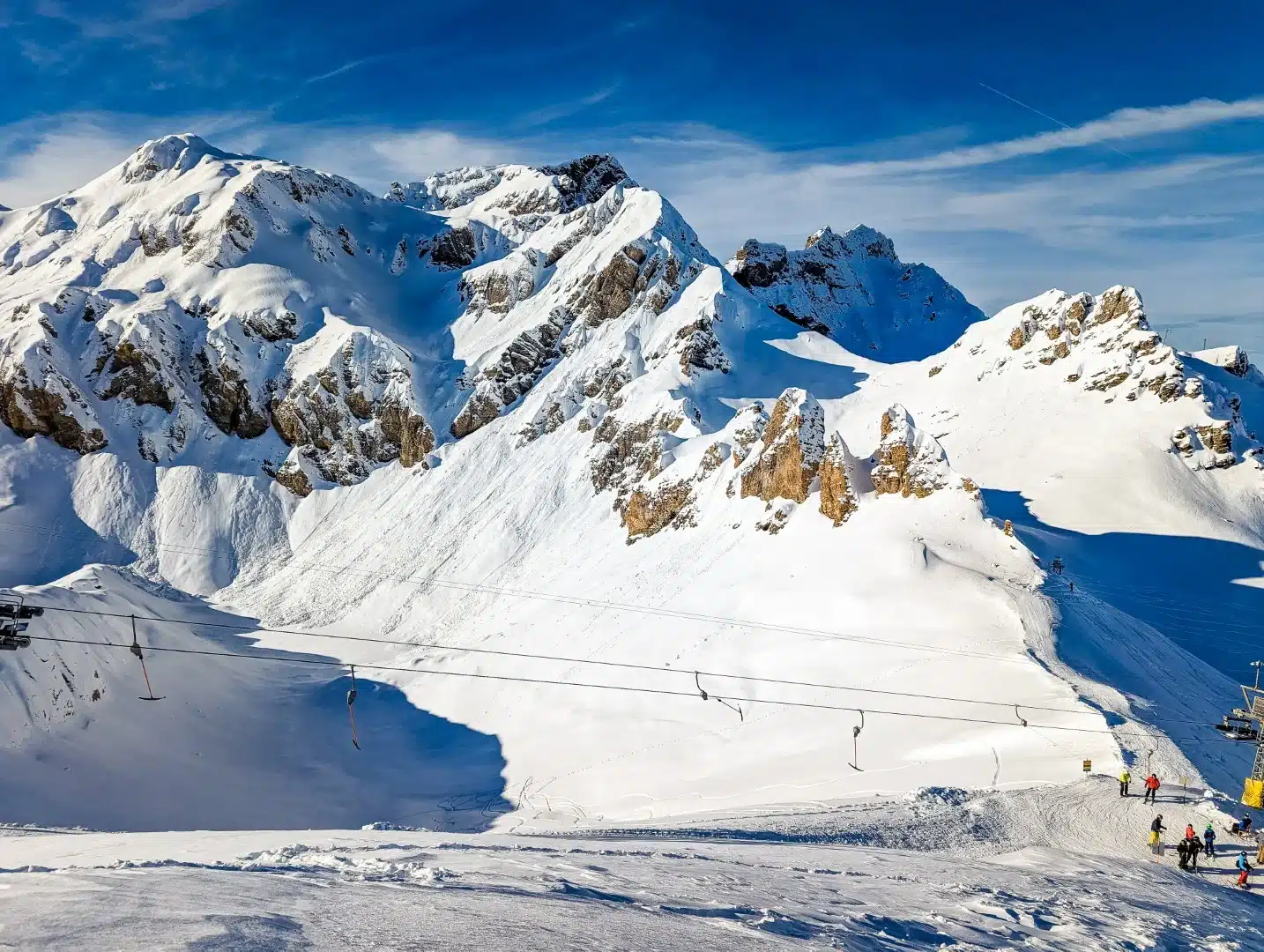
At Breckenridge, the five peaks are connected by a chain of lifts rather than a single central hub. Getting from Peak 6 to Peak 10 takes a few lift connections along the way. Keystone’s three peaks line up front to back, with easier ground near the base. The Bergman Express lift opened for the 2023-24 season. It carries riders into 550-plus acres of Bergman and Erickson Bowls that used to require a hike. Beyond Bergman and Erickson, more than 1,300 acres remain hike-to only, including a 35-minute climb into Independence Bowl. The family-resort reputation undersells how challenging the skiing gets farther back. Copper reads left to right instead. Green runs occupy the west side near the ski school, and intermediate slopes fill the middle. The East Village side, accessed from Super Bee, holds the mountain’s steepest lift-served runs. The hardest skiing overall lies even farther out, on Tucker Mountain and in bowls like Resolution, Spaulding, Copper, Jupiter, and Union.
Breckenridge carries the highest share of expert-only terrain. Keystone has the most total acreage. Copper falls between them in size, but keeps its easiest runs and more advanced front-side skiing on opposite ends of the mountain. That separation matters more for mixed-ability groups than raw acreage does.
Woodward gives the mountain much of its freestyle reputation. Powder magazine has ranked its terrain parks among the best in the country. It places Copper in the national top five, alongside resorts such as Mammoth, Whistler Blackcomb, and Park City. Copper also earned recognition as an official U.S. Ski and Snowboard training center, a distinction neither Breckenridge nor Keystone holds.
For most skiers, the pass they already hold decides more than any of the above. Breckenridge and Keystone belong to Vail Resorts, so the full Epic Pass covers both with no blackout dates. Other Epic products carry their own restricted dates. POWDR independently owns copper and joins the Ikon Pass as a partner resort. In recent seasons, Copper has been one of the few Ikon destinations with no blackout dates on the Ikon Base Pass. That matches the full Ikon Pass access there. Anyone comparing passes should confirm current-season terms directly with Ikon when booking, since pass benefits can change year to year.
None of the three is the objectively better mountain. Breckenridge suits skiers who want a real town and don’t mind riding several lifts to cross the resort. Keystone suits families who still want a shot at expert terrain in the back bowls. Copper suits skiers who value a front side where ability levels are unusually easy to read.
Logistics matter too, no matter which mountain a group picks. Pre-arranged transportation between the resort and lodging is one detail worth lining up once dates are set.