Planning a wedding in Aspen means balancing location, timing, and logistics—because while the backdrop does a lot of the work, the experience depends on the decisions you make early.
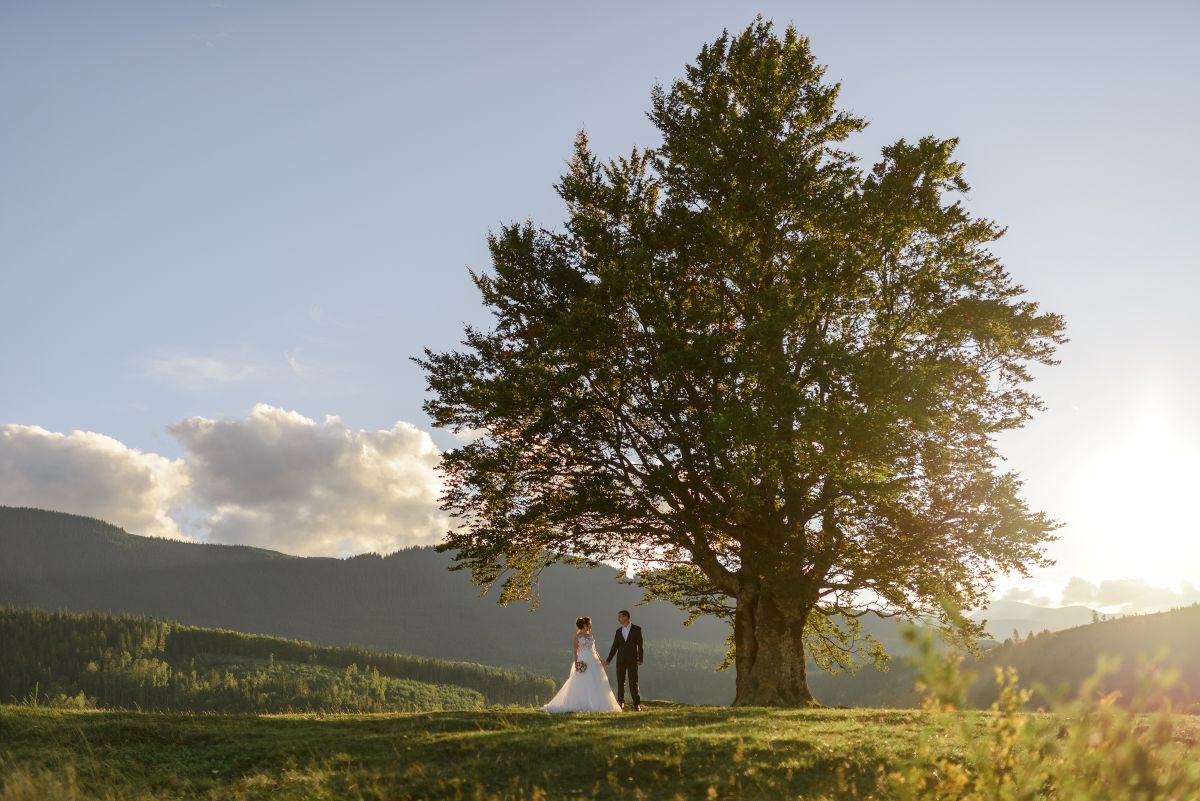
There’s a moment, usually somewhere between the ceremony and the first dance, when an Aspen wedding stops feeling like an event and starts feeling like a memory. Maybe it’s the way the mountains catch the late afternoon light, or the way the crisp mountain air makes everything feel a little more alive.
Couples who choose this place don’t just plan a wedding; they create something their guests carry with them long after the weekend ends.
But a beautiful backdrop doesn’t come together on its own. Behind every mountain wedding is a series of decisions made early, made wisely, and made with the right partners in place. This guide walks you through the most important ones.
Located at over 7,900 feet in the Colorado Rockies, this destination feels distinct in every season. Snow-dusted peaks in winter, wildflower meadows in summer, gold aspen groves in fall; the scenery changes constantly, yet the landscape remains visually consistent, even as the seasons change.
Beyond the landscape, the town brings together renowned hotels, acclaimed restaurants, and experienced wedding professionals who understand how these celebrations come together in a place like this. It’s a place that takes care of the loved ones, which matters when people gather from across the country to celebrate together.
Timing shapes everything: your venue options, your experience, your photography, and your budget. The local wedding season runs primarily from June through mid-October, with each window offering something distinct.
Summer (late June – August) draws the most attention. Long days, warm afternoons, and a full calendar of events bring energy to every corner of town. Outdoor ceremonies and open-air receptions feel natural during this time, though availability tightens quickly, with many venues booking 12–18 months in advance during peak summer months.
Early Fall (September – mid-October) introduces a quieter, more intimate atmosphere. The landscape turns gold, the crowds ease, and the light softens in a way that photographers appreciate. Many couples see this as the ideal balance between beauty and accessibility.
Winter creates a different kind of celebration. Snow-covered surroundings, indoor receptions, and a distinctly alpine feel define the experience. Weather conditions can also affect arrivals, especially for those flying into smaller regional airports. With Aspen Airport (ASE) scheduled to close from April through November 2027 for its modernization project, travelers looking ahead to 2026–27 events may need to consider alternate arrival routes and coordinated ground transportation.
Understanding how to choose a wedding venue begins with the experience you want to create, not just for yourselves, but for people attending. The area offers several venue styles, each shaping the flow of the celebration differently.
Iconic hotel properties like The Little Nell, Hotel Jerome, and the St. Regis allow the entire celebration to unfold in one place, which makes planning feel more organized from the start. Ceremony spaces, reception areas, and accommodations remain within easy reach, allowing the day to proceed without interruption. These venues work especially well when attendees stay across different hotels, since everything remains centralized.
Resort and ranch settings, such as Aspen Meadows Resort, open up more space. Events can span multiple days, with welcome gatherings, ceremonies, and farewell brunches unfolding within a cohesive environment.
Outdoor ceremony locations offer some of the most striking backdrops in the region. From gondola-accessed mountaintops to private ranch properties in the Roaring Fork Valley, these options require additional coordination, including permits, transportation planning, and weather backup options, yet they create an atmosphere that blends directly into the surrounding landscape.
When evaluating venues, consider exclusive use, catering requirements, local ordinances, and what the venue includes versus what must be arranged separately. Popular dates move quickly, so beginning the search 12–18 months in advance makes a real difference.
Once your venue is set, wedding transportation becomes one of the most important logistical decisions you’ll make and one of the most overlooked.
Getting everyone where they need to be is part of the experience itself. Aspen is not a city where guests can easily find last-minute rides during peak hours, and parking near most venues fills quickly, especially during busy weekends, which is why many couples arrange group transportation in advance.
For destination weddings where people arrive from multiple cities, coordinating arrivals, hotel transfers, and event movements becomes more complex when attendees stay across Aspen and Snowmass.
Friends and family land at different times, move between hotels and venues, and end the evening somewhere far from where they began. When everything runs on time and as expected, the celebration flows easily, and the focus stays on what truly matters.
Coordinating airport pickups and scheduled transfers helps keep everyone moving between hotels and venues without delays. For multi-day celebrations, consistency matters.
Celebrations here stand out because every detail is intentional, from when people arrive to how the day moves between locations. When the space and the flow of the day align, everything feels natural from beginning to end. The mountains create the backdrop, but the atmosphere comes from the choices made along the way, and those are the ones that stay with people long after the weekend ends.